Why tackling misconceptions may be the biggest weapon for eradicating poverty
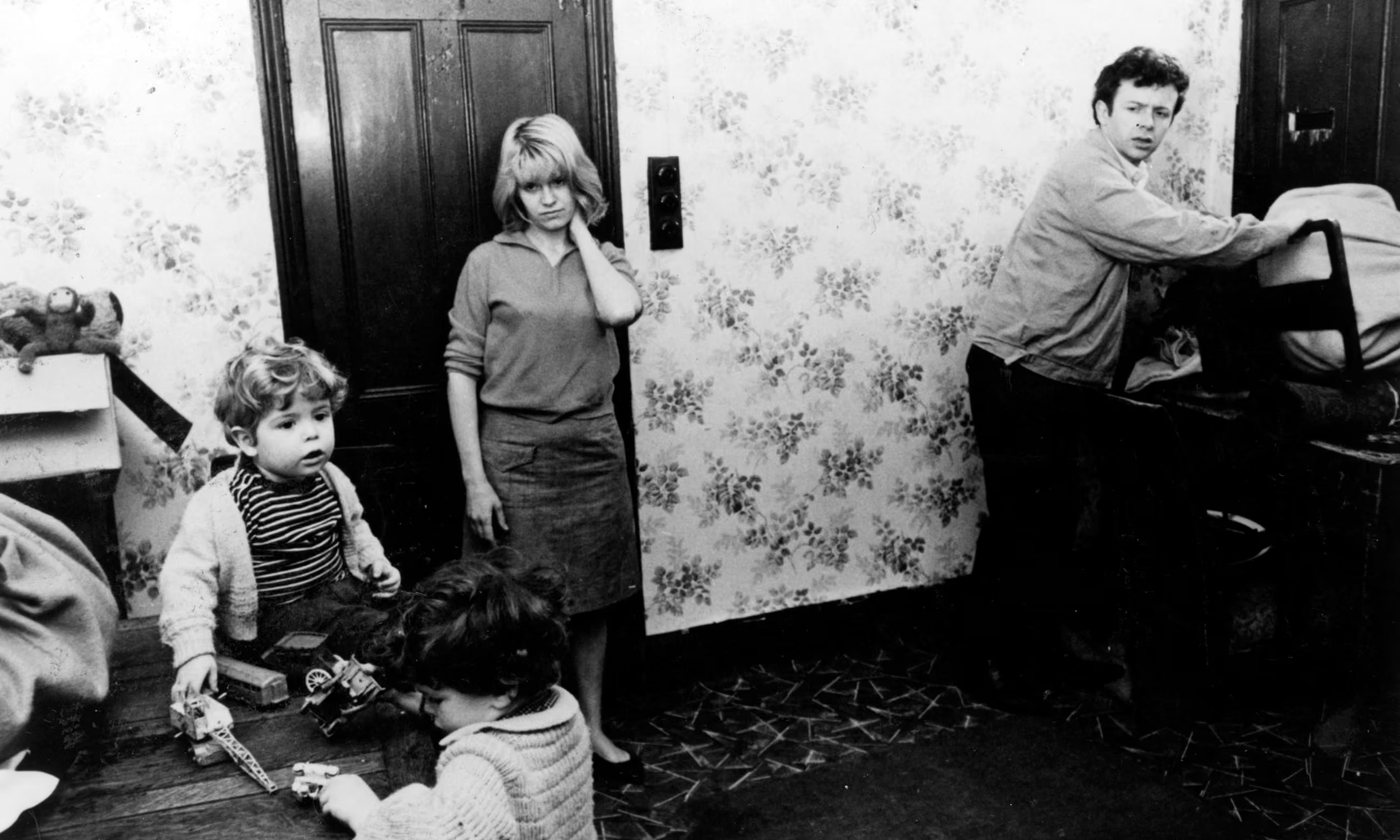

Cathy Come Home (1966)
By Tilly Snaith
- Lived experience


Did you know the most common assumption on the cause of homelessness is alcohol or drug addiction? I’m sure you did, with more than a quarter of people believing in this stereotype.
Everyone’s image of a “homeless” person is undeniably different, depending on upbringing and culture; however, this can lead to misconceptions of what causes homelessness and defines someone as homeless.
The UK government defines “rough sleepers” as “people sleeping, about to bed down (sitting on/in or standing next to their bedding) or actually bedded down in the open air (such as on the streets, in tents, doorways, parks, bus shelters or encampments)”.
In June 2025, there was an estimated 8,732 people sleeping rough across the UK; however, this definition reverts from mentioning those who are seeking/placed within temporary accommodation and qualify as members of the “core” homeless community.
The moral of the story is homelessness can be defined by a range of terms and can’t be determined by a simple definition.
Additionally, those experiencing or at risk of homelessness are placed within that unfortunate position due to a range of factors, with the most common cause being the breakdown of relationships. Misconceptions fail to highlight the hardships faced by those in poverty, suggesting that those who suffer due to societal failures and other factors can be categorised simply, which is not the case.
The discussion of societal failures of homelessness, however, isn’t a new concept, with examples such as the 1966 dramaCathy Comes Home showing that unavoidable catalysts for homelessness have always been present within modern society.
Director Ken Loach used the Wednesday evening slot on the BBC to show how Cathy declined from a stable marital home to eventually handing over her children to social services.
The drama was watched by 12 million viewers across the UK, contributing to the discussion on homelessness in parliament leading to the Housing (Homeless Person) Act in 1977. This legislation was introduced to force local authorities to provide housing assistance to people experiencing homelessness.
Over the last few decades, UK charities such as Crisis and Shelter have offered assistance to this legislation by providing essentials and housing for members of their local communities.
Big Issue vendor André Rostant is no stranger to misconceptions, as they inspired him to write his 2024 novel The Muffin Man, about his experiences as a vendor of the magazine in Soho. “There is a widespread belief that homeless is what somebody is, not a thing that a person experiences,” says Rostant.
Born of Irish and West Indian heritage, Rostant’s heritage and work as a Big Issue vendor led him to share his story within his novel, highlighting the truth behind those experiencing poverty and what leads to it. “What is not talked about enough is that anybody – absolutely anybody – can become homeless – it is something that happens to people, not what somebody is,” he says.
The Centre for Homelessness Impact found in 2024 that “75% of people believe that poverty is at the root of many of the problems that can lead to homelessness”. However, what is not discussed is what leads to poverty itself. “If you fish through the main lists of “causes of poverty” in the UK, even in the most enlightened lists, there is prominent mention of under/uneducated people, people who experience domestic violence, substance abuse or underemployment, and people trapped in dead-end low paid jobs,” Rostant says.
Although these factors may contribute to why someone faces poverty, it doesn’t create the wider issue of why poverty exists. “None of the above, being uneducated, having a job considered menial or unskilled, nor domestic nor personal circumstances, cause poverty in themselves,’ argues Rostant.
Politically, the danger of misconceptions can have a wider impact on funding and aid received by those experiencing poverty. Government policies and economic decisions can be detrimental to the funding received by those at experiencing or at risk of poverty and homelessness, with the London School of Economics estimating that austerity measures resulted in 190,000 deaths since 2010 due to public spending cuts, including funds aided to eradicating poverty.
The Electoral Commission found in 2024 that 70% of the public are concerned about how disinformation influences political voting, affecting not just current politics but potentially future voting habits.
Systematic failures such as government budget cuts can place more pressure on non-profit groups and charities. Organisations such as Big Issue North work aimlessly to spread educational knowledge on the subject, combatting misinformation while providing essential services to those with experience of poverty.
Campaigns Manager and Northern Correspondent Brontë Schiltz works firsthand with vendors at the organisation, providing educational campaigns surrounding those the organisation supports. “Our vendors face many misconceptions, which we work hard to combat,” she says.
Big Issue North provides those experiencing poverty with a recognised form of employment, allowing them to sell The Big Issue magazines and keeping the profit that they make. This allows anyone out of traditional employment a source of income and support to improve their situation, including access to in-work benefits. The organisation’s recent Right to Earn initiative provided educational information on the roles of vendors, including their income.
Misconceptions on the causes of homelessness don’t only affect the wellbeing of those experiencing poverty but can also be harmful to the wider social integration when seeking employment.
“They may also face discrimination at higher levels – for instance, even if someone experiencing homelessness is able to attend a job interview, if they cannot shower or clean their clothes beforehand, they may be disregarded as a suitable candidate, regardless of their skills and experience,” says Schiltz.
Membership non-profit organisations, such as the International Network of Street Papers (INSP), support and work globally with street papers, including The Big Issue, to further connect with voices and stories across the world to eradicate misinformation on those experiencing or at risk of homelessness.
The organisation’s initiatives, including their Journalism Training Academy, aim to provide those with experience of homelessness with a chance to voice their personal experiences in journalistic forms and to be published in any of the 92 street papers belonging to the organisation.
By providing those at risk of poverty with an opportunity to receive training and qualifications, while sharing their journeys, the Academy allows the media to integrate diversity into the content that they publish from people who have firsthand experience of poverty and homelessness.
Although misconceptions about poverty and homelessness may never fully be eradicated, work by organisations such as INSP and Big Issue North directly reduces misinformation on the subject, campaigning for change and justice for those in need.